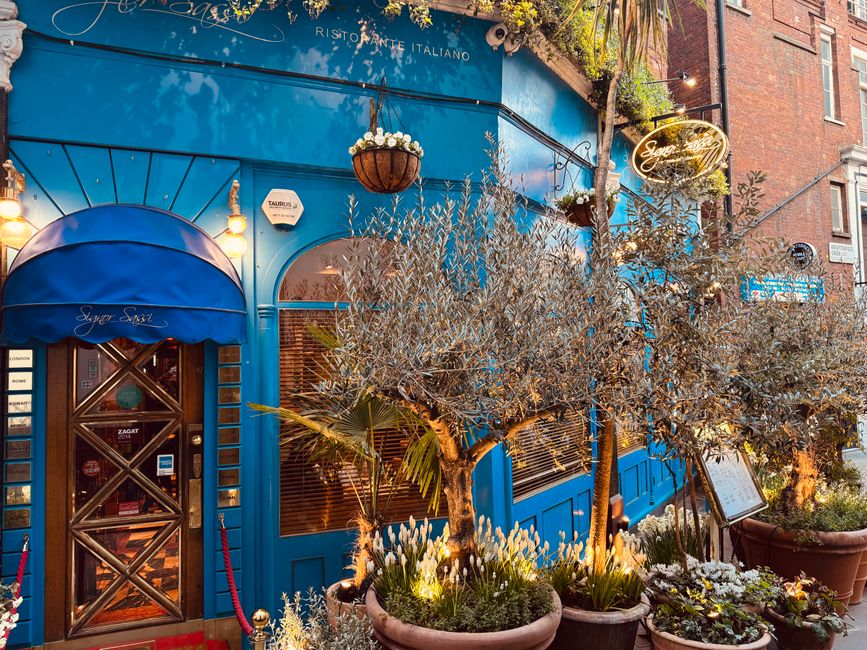
Garden maintenance for restaurants on Dean Street Soho
If you run a restaurant on Dean Street, Soho, you already know the outside space is doing more work than people think. A neat frontage, a tidy courtyard, a planted terrace, even a small strip of greenery by the door can set the tone before a guest has seen a menu. Garden maintenance for restaurants on Dean Street Soho is not just about keeping things pretty; it is about keeping the whole customer experience sharp, safe, and welcoming day after day.
In a busy part of central London, small details stand out. A wilted planter, overgrown hedge, slippery decking, or litter caught in shrubs can make an expensive dining room feel oddly neglected. The good news? With the right maintenance plan, restaurant planting can stay fresh without becoming another headache for the team. This guide walks through what matters, how it works, and how to keep your outdoor areas looking like they belong with the rest of the venue.
For a broader overview of how professional care is structured, you may also find the services overview useful, especially if you are comparing options for ongoing upkeep versus one-off works.
Why Garden maintenance for restaurants on Dean Street Soho Matters
Restaurant gardens, terraces, and planted entrances have a different job to domestic gardens. They are part of the brand. They are seen by diners, delivery drivers, front-of-house staff, and passers-by, sometimes all within the same minute. On Dean Street, where people expect polish and pace, the outdoor area can quietly shape whether a venue feels premium or patchy.
There is also the practical side. A restaurant garden is exposed to constant footfall, regular cleaning, smoke, heat, wind tunnels between buildings, and the odd spilled drink. Plants can suffer quickly. Soil dries out. Containers get knocked. Weeds find every little gap, because of course they do. Left too long, those small issues become a bigger maintenance job and, bluntly, a more expensive one.
Good garden maintenance helps with all the stuff guests may never mention directly but absolutely notice:
- clean, healthy planting that looks intentional rather than accidental
- clear walkways and exits
- less risk of slip or trip issues around damp surfaces, pots, and overgrowth
- better presentation for daytime and evening service
- a calmer, more premium feel in a compact urban setting
For restaurants with decorative planters or hard-landscaped terraces, maintenance also supports other outdoor elements. If timber surfaces or seating zones are part of the space, it often makes sense to coordinate upkeep with decking services or broader landscaping work so the whole area wears together properly.
How Garden maintenance for restaurants on Dean Street Soho Works
In practice, restaurant garden maintenance is a repeatable routine, not a one-off tidy-up. The exact schedule depends on the site, the season, the planting style, and how heavily the space is used. A small courtyard with herbs and container shrubs will need a different plan from a frontage with formal evergreen structure. Truth be told, there is no single template that suits every site.
A sensible maintenance plan usually covers five layers:
- Inspection - checking plant health, drainage, surface safety, and visible mess.
- Cleaning - removing leaves, debris, food waste fragments, dead blooms, and litter.
- Plant care - watering, feeding, pruning, staking, deadheading, and replacing tired plants.
- Surface care - keeping paths, borders, planters, and decking edges clear and safe.
- Review - adjusting the routine when the weather changes or service patterns shift.
In Soho, timing matters. Early morning visits are often best because they avoid service pressure and let the venue open to a clean, fresh-looking space. Sometimes a short late-afternoon touch-up is useful too, especially after windy days or a busy lunch service. You will notice that even a fifteen-minute tidy can make the front of house feel much more composed.
Maintenance may also be paired with specialist tasks. If hedges or screening plants are part of the design, hedge trimming keeps lines neat and avoids that shaggy, forgotten look. If the garden has open lawn sections, lawn mowing becomes part of the routine. If plants have become unmanageable or a space needs a reset, garden clearance may be the right starting point before regular upkeep begins.
Key Benefits and Practical Advantages
The best argument for consistent maintenance is simple: it protects first impressions. But there are several other benefits that matter just as much once you are running a busy hospitality site.
- Better guest perception - A clean outdoor area suggests the kitchen, tables, and service are cared for too.
- Reduced maintenance spikes - Small, regular visits prevent major catch-up jobs.
- Improved safety - Less moss, fewer loose leaves, fewer overgrown edges.
- Healthier planting - Plants recover better when they are pruned and watered consistently.
- Less staff distraction - Front-of-house teams can focus on customers instead of gardening emergencies.
- Better use of small spaces - In tight Soho footprints, every square metre needs to earn its keep.
There is a commercial benefit too, though it can be hard to quantify neatly. A restaurant with a polished exterior tends to look more "bookable" in the moment. That matters for walk-ins, private dining interest, and those quick decisions people make on the pavement outside. The exterior is a signal.
Expert summary: For restaurants on Dean Street, garden maintenance is really a brand-maintenance task with horticultural work attached. Keep the planting healthy, the surfaces clean, and the layout intentional, and the whole venue feels more put together.
Who This Is For and When It Makes Sense
This service is a good fit for a wide range of hospitality businesses. Not every restaurant has a classic garden, and that is fine. The point is any outdoor feature that contributes to the guest experience.
It makes particular sense if your site has any of the following:
- a front terrace or pavement-facing planted area
- a courtyard or tucked-away dining garden
- planters used as screening or privacy features
- herb beds or edible planting tied to the menu
- decorative pots that need regular rotation and care
- shared external areas where presentation reflects on the restaurant
It is also worth considering if you have noticed any of these warning signs:
- plants looking tired by midweek
- weeds appearing faster than staff can remove them
- drainage issues after rain
- surfaces getting slippery with algae or debris
- shrubs blocking sightlines or signage
- planters drying out while service is busy
Some venues only need seasonal support, especially if they mostly use evergreens or hard landscaping. Others need year-round attention because the garden is part of the dining offer. If the space has recently changed, or you are planning a refresh, landscape gardening can help create something that is easier to maintain in the first place. That is a clever move, honestly. Better design means less firefighting later.
Step-by-Step Guidance
If you are building or reviewing a maintenance routine for a restaurant garden, this is the practical sequence we would suggest. It is simple enough to manage, but structured enough to avoid the usual drift.
- Assess the current condition
Start with a proper walk-round. Look at planting health, drainage, mess build-up, and any hazards. Check the space at the time it is most used, not just when it is empty and tidy. - Define what the space needs to do
Is it for visual appeal only, or does it need to screen tables, frame the entrance, or support outdoor seating? The function decides the maintenance approach. - Set a schedule by season
Spring and summer usually need more watering, deadheading, and litter control. Autumn needs leaf clearance. Winter is about structure, weather protection, and preventing damage. - Prioritise high-visibility areas
The first thing customers see should come first. Entrance planters, boundary hedging, and seating surrounds generally matter more than hidden edges. - Use the right interventions
Some plants need pruning, some need replacement, and some are just in the wrong place. Don't over-tidy the life out of them. A restaurant garden should look alive, not shaved into submission. - Build in regular waste removal
Cuttings, dead leaves, and packaging should not sit around. For heavily cluttered sites or pre-season resets, garden clearance may be a useful step before ongoing maintenance. - Review monthly
Look at what is thriving, what is failing, and where staff are losing time. Adjust the routine. A static plan in a dynamic city rarely works for long.
One small point many restaurants miss: maintenance should be planned around service rhythms, not just horticulture. If Tuesdays are quieter than Fridays, that changes the best time for pruning or cleaning. A good provider will get that instinctively.
Expert Tips for Better Results
Here are the details that usually separate a decent result from a really polished one.
- Choose resilient plants first. In central London, durability matters. You want species that cope with shade, dry air, and the occasional rough handling.
- Use containers with proper drainage. Decorative pots are great until they trap water and rot roots. Then they become expensive ornaments.
- Keep planting consistent. Mixed-quality replacements look messy. Match size, shape, and colour where possible.
- Don't crowd the entrance. A lush look is good. A blocked doorway is not.
- Rotate tired specimens quickly. If something is past its best, replace it rather than waiting for it to recover out of politeness.
- Plan for weather extremes. Hot spells and cold snaps can undo weeks of good work in a day.
- Make maintenance visible in the right way. Guests should see freshness, not obvious interference.
There is also a trust point here. If your restaurant has sustainability goals, maintenance should align with those choices. That might mean efficient watering, composting green waste where appropriate, or choosing longer-lasting planting. If that matters to your brand, look at recycling and sustainability as part of the wider service conversation.
And a practical little aside: if staff are forever moving pots around to mop floors or manage deliveries, the layout probably needs rethinking. Plants should help the operation, not become obstacles. Simple as that.
Common Mistakes to Avoid
Most garden problems in restaurants are not dramatic. They build quietly. That is what makes them annoying. Here are the ones we see most often.
- Waiting until the space looks bad - By then, small tidy work has become a full reset.
- Using plants that need more care than the team can give - If nobody has time to water them properly, choose tougher species.
- Ignoring hidden corners - Rear courtyards and side passages often become clutter traps.
- Over-pruning - Too much cutting can strip the character from the space.
- Forgetting the surfaces - Healthy planting on dirty decking still looks half-finished.
- Not planning for replacement stock - One failed pot can throw off the whole frontage.
- Mixing maintenance with random staff duties - A little ad hoc help is fine, but it is not a system.
Another common issue is relying on one seasonal tidy-up and hoping that carries the site for months. It rarely does. The weather changes. Footfall changes. Guests notice changes. The garden needs to be treated like a live part of the restaurant, not a decorative afterthought.
Tools, Resources and Recommendations
Good maintenance does not always require a huge toolkit, but it does need the right basics and a clear process. The tools depend on the space, though these are commonly useful:
- hand pruners for light shaping and deadheading
- loppers for thicker stems and light woody growth
- gloves suitable for regular site work
- watering equipment with enough reach for containers and borders
- weed removal tools for hard-to-reach edges
- soft brushes or brooms for leaves and light debris
- collection bags or bins for green waste during each visit
For larger or more cluttered spaces, specialist help matters more than the tool list. A tidy-up can quickly turn into a landscape reset if the area has been neglected for a while. In that situation, the right starting point may be a combination of garden clearance, structural pruning, and a regular maintenance programme. If hard surfaces are part of the area, a coordinated approach with landscaping often gives the best long-term result.
There is one more recommendation worth stating plainly: keep simple records. A brief note on what was done, what needs replacing, and what is coming up next makes it easier to stay on top of the site. It sounds dull. It saves time. That is usually how the sensible stuff works.
Law, Compliance, Standards, or Best Practice
Restaurant outdoor spaces bring a few compliance and best-practice considerations into play. This is not about turning gardening into a legal seminar; it is about avoiding preventable issues.
In the UK, restaurant operators are generally expected to keep premises reasonably safe for staff, visitors, and customers. For outdoor areas that means looking at trip hazards, slippery surfaces, unstable planters, overgrowth, blocked access, and any risk created by poor upkeep. If the space is used by the public, the standard of care needs to be taken seriously.
Some practical best-practice points include:
- keeping access routes clear
- making sure pots and decorative features are stable
- reducing moss, algae, or leaf build-up on walking surfaces
- checking that maintenance work does not interfere with customer movement
- using safe methods for pruning, lifting, and waste removal
- keeping contractor insurance and safety arrangements in order
If you are comparing providers, it is sensible to ask how they handle site safety, public access, waste removal, and insurance. The page on insurance and safety is useful reading for that side of the decision, and the health and safety policy gives a better sense of how formal procedures should be handled.
Best practice also means using clear expectations in your service agreement. You want to know what is included, how often visits happen, what happens in bad weather, and how extra works are quoted. If those basics are fuzzy, things tend to get messy later. Not ideal, to say the least.
Options, Methods and Comparison Table
Restaurants usually choose between a few different approaches. The right one depends on budget, the complexity of the space, and how much attention the garden needs.
| Approach | Best for | Pros | Watch out for |
|---|---|---|---|
| Basic routine maintenance | Small planters, simple frontage planting, low-complexity spaces | Cost-effective, predictable, easy to schedule | May not be enough for tired or overgrown sites |
| Seasonal maintenance | Spaces that only need heavier attention at key times of year | Good for planting refreshes and leaf-heavy periods | Gaps between visits can let problems build up |
| Full ongoing care | Busy restaurants with visible outdoor areas and higher presentation standards | Most consistent results, fewer surprises | Needs a well-managed budget and good coordination |
| Clearance plus restart | Neglected or reconfigured outdoor areas | Resets the space and makes future care easier | More disruptive at the start |
If you are not sure which route fits, start with the current state of the garden and the amount of time the restaurant team can realistically devote to it. That is usually the honest answer behind the polished one. And honesty helps.
Case Study or Real-World Example
Imagine a small restaurant near the middle of Dean Street with two front planters, a side passage used for staff access, and a compact courtyard for a handful of covers. Nothing huge. Nothing dramatic. But enough to matter.
At first, the venue tries to manage the planting informally. Someone waters when they remember. Dead leaves are swept when there is time. The courtyard looks lovely on a good day, but by Thursday the rosemary is dry, one pot is leaning, and the side passage has picked up debris from deliveries. Guests still enjoy the food, but the exterior never quite feels as sharp as the interior.
After switching to a regular maintenance approach, three things change quickly:
- the planters stay fuller and more consistent
- the courtyard is easier to use during service
- staff stop spending small chunks of time dealing with visible mess
The biggest improvement is not even visual, though that helps. It is operational. The team has fewer little interruptions, and the restaurant feels more settled. On a busy Friday evening, that makes a difference. Not a headline-grabbing one, perhaps. But a real one.
Practical Checklist
Use this quick checklist to keep restaurant garden upkeep under control. It is simple, but that is the point.
- Are entrance planters tidy, watered, and upright?
- Are walkways clear of leaves, litter, and loose soil?
- Are hedges and screening plants trimmed neatly?
- Are any surfaces slippery, damaged, or dirty?
- Do all plant containers have proper drainage?
- Are tired or dying plants being replaced promptly?
- Is waste removed after each maintenance visit?
- Are staff aware of who handles garden upkeep and when?
- Has the schedule been adjusted for the season?
- Is the outdoor area matching the quality of the dining room?
If you answered "no" to more than one or two of those, the space probably needs a more structured plan. Nothing to panic about. It just needs attention before the issues snowball.
For a more formal arrangement or to compare service levels, you may also want to review pricing and quotes so you can plan around frequency and scope rather than guessing. Clear pricing is easier for everyone.
Conclusion
Garden maintenance for restaurants on Dean Street Soho is really about keeping your first impression aligned with the quality you want guests to feel inside. In a neighbourhood where detail matters and space is at a premium, outdoor areas can either sharpen your presentation or quietly undermine it. There is rarely an in-between for long.
The best results come from steady care, practical plant choices, clear safety thinking, and maintenance that fits the rhythm of your service. When the space is well managed, it feels effortless. Of course, it is never quite effortless behind the scenes. But that is the point: good maintenance makes the effort invisible.
If your current setup feels patchy, overgrown, or simply hard to keep on top of, the next step is usually a simple review of the space and the routine behind it. From there, the right plan becomes much easier to see.
Get a free quote today and see how much you can save.
Sometimes the smallest outdoor upgrade is the one that makes the whole restaurant feel more alive. And that is worth looking after.
Frequently Asked Questions
What does garden maintenance for a restaurant actually include?
It usually includes planting care, pruning, watering, weeding, waste removal, surface tidying, and checks for safety issues. For some sites, it also includes hedge trimming, lawn care, or occasional clearance work.
How often should a restaurant garden on Dean Street be maintained?
That depends on the size of the space, how visible it is, and how much planting is involved. Busy frontages often need weekly or fortnightly attention, while simpler spaces may only need seasonal visits plus light touch-ups.
Is it better to use real plants or artificial planting?
Real plants usually create a more natural and premium feel, but they do need ongoing care. Artificial planting may be suitable in some settings where watering is difficult, though it can look less convincing over time if dust and wear build up.
What are the biggest problems restaurant gardens face in Soho?
The most common issues are limited space, shade, wind, dry conditions, heavy foot traffic, and inconsistent upkeep. In central London, plants can look tired quickly if they are not matched to the conditions.
Can garden maintenance be done outside service hours?
Yes, and that is often the best approach. Early morning visits are especially common because they reduce disruption and allow the space to be reset before opening.
Do restaurant gardens need different care from domestic gardens?
Absolutely. Restaurant spaces must look tidy, safe, and welcoming more consistently, and they often have to cope with more wear from people, deliveries, and cleaning routines.
What should I ask before booking a maintenance provider?
Ask what is included, how often visits happen, whether waste is removed, how they handle weather-related issues, and whether they have the right insurance and safety procedures in place.
Can a neglected restaurant garden be rescued?
Usually, yes. The first step is often clearance, a reset of the planting, and then a realistic maintenance schedule. Some spaces need a full tidy and replant before regular care can work properly.
How do I keep a small courtyard looking good without overcomplicating it?
Stick to resilient plants, use a simple layout, avoid overcrowding, and keep a consistent maintenance rhythm. Small spaces can look excellent with less effort if the design is sensible from the start.
Does garden maintenance help with compliance and safety?
It can. Regular upkeep helps reduce trip hazards, slippery surfaces, blocked access, unstable planters, and general clutter. That is especially important where customers or staff move through the area.
What if my restaurant only has planters, not a full garden?
That still counts. Planters are often the most visible part of a restaurant's exterior, so they deserve proper care. A few well-kept containers can do more for the appearance of a venue than a larger space that is poorly managed.
Where should I start if the outdoor area feels messy and out of control?
Start with a full assessment of what is alive, what needs removal, and what can be salvaged. From there, a clearance and maintenance plan is usually the cleanest way back to a professional-looking space.