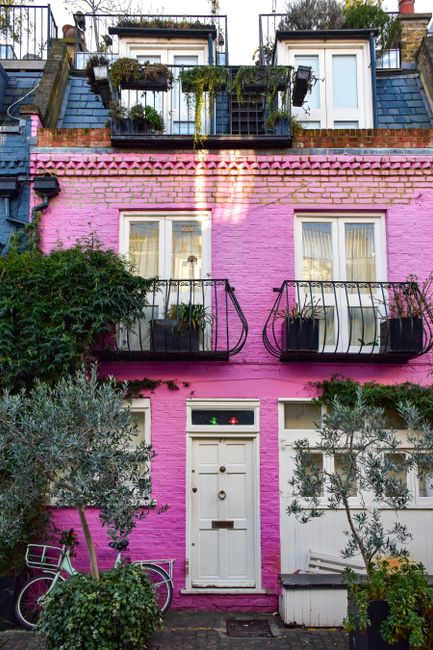
Frith Street courtyard planting insider tips for Soho gardeners

Courtyard planting in Soho is a different game altogether. Space is tight, light is patchy, soot and reflected heat can be stubborn, and if you are gardening near Frith Street you are probably working with a mix of old brick, hard surfaces, and the occasional blast of wind funnelled between buildings. That is exactly why Frith Street courtyard planting insider tips for Soho gardeners matter: they help you make a small outdoor space feel greener, calmer, and more resilient without turning it into a high-maintenance headache.
Done well, a courtyard can feel like a tiny private room under the sky. Done badly, it becomes a row of struggling pots, leaf scorch, and a lot of watering you did not plan for. Let's be honest, nobody wants that. In this guide, you will find practical planting ideas, a step-by-step approach, and a few local-minded tricks that work especially well in compact West End spaces.
Whether you manage a townhouse courtyard, a restaurant back terrace, or a tucked-away communal patch, the aim is the same: create planting that looks good, lasts, and suits Soho's real conditions rather than an idealised garden catalogue image. A bit of common sense goes a long way here.
Why Frith Street courtyard planting insider tips for Soho gardeners Matters
Frith Street sits in a part of London where outdoor space is often an afterthought. That is precisely why planting needs to be more intentional. A courtyard is not just a pretty backdrop; it has to cope with limited rooting space, shade from neighbouring buildings, heat trapped by masonry, and sometimes a surprising amount of foot traffic. If you have ever watched a supposedly "easy" plant sulk in a pot by June, you will know the feeling.
In Soho, the stakes can be practical as much as aesthetic. Courtyard planting can improve privacy, soften hard surfaces, reduce glare, and make a small space feel usable for longer during the day. It can also help businesses and residents create a more welcoming atmosphere without major structural changes. That matters when outdoor space is scarce and every square metre has to earn its keep.
There is also the simple question of maintenance. A planting scheme that looks great for two weeks but becomes a chore is not much help. The best Frith Street courtyard planting choices are the ones that hold their shape, tolerate shade or reflected light, and recover well after the odd neglected watering. In other words: attractive, yes, but also realistic.
Expert summary: the smartest Soho courtyard planting is not about cramming in the most plants. It is about choosing the right mix of structure, texture, and toughness for a small urban site that changes with the seasons.
How Frith Street courtyard planting insider tips for Soho gardeners Works
Courtyard planting works best when you treat the space as a microclimate. That sounds technical, but it really means noticing what the courtyard actually does across the day. Where does the morning sun hit? Which wall stays damp? Does the wind funnel through one corner? Is there a shady patch that never properly dries out after rain? These small observations decide whether your planting thrives or struggles.
Most courtyards around Soho are shaped by three things: restricted soil volume, reflected heat from surrounding surfaces, and uneven light. Pots and raised planters are often the most practical answer, but they need good drainage, the right compost, and enough depth for roots. Many failures come from underestimating root space. A plant might look fine for the first season, then suddenly stop performing. Truth be told, the roots were unhappy long before the leaves admitted it.
The other key part is layering. A courtyard does not need lots of variety everywhere. It needs a few anchor plants, some mid-height texture, and a softer understorey or trailing element. This creates a finished look without making the space feel cluttered. In tighter Soho settings, that balance matters more than sheer quantity.
It also helps to think in terms of movement. Courtyards are often viewed from one or two angles, not all around. So instead of planting symmetrically by habit, design for the sightlines people actually use: from a doorway, a bench, or a rear window. Small detail, big difference.
Key Benefits and Practical Advantages
Good courtyard planting delivers more than visual appeal. For a compact Soho space, the benefits tend to be quite tangible:
- Privacy without bulk: tall pots, layered foliage, and slim evergreen structure can screen views without building a wall of green that swallows the space.
- Better mood and atmosphere: even a modest amount of planting softens hard brick, glass, and paving. You feel it when you step outside.
- Year-round interest: with the right mix, the courtyard does not collapse into a bare patch in winter.
- More usable space: planting can define zones for sitting, waiting, or passing through, which is especially useful in hospitality settings.
- Lower stress on maintenance: a well-chosen scheme is easier to manage than a fussy one that needs constant rescue.
- Better first impression: for businesses, a neat planted courtyard can quietly signal care and professionalism.
There is a less obvious advantage too: planting changes how the space sounds and feels. Leaves soften echoes, and a courtyard that once felt like a hard little box can suddenly feel calmer. It is not magic. But it is close enough on a busy street.
Another practical plus is flexibility. Planters can be moved, replaced, or reworked if the space changes. That makes them ideal for rented properties, shared buildings, and hospitality sites where layouts can shift over time. Flexible design is underrated.
Who This Is For and When It Makes Sense
This kind of planting is a strong fit for a few different people and places. If your courtyard is small, shaded, overlooked, or awkwardly shaped, you are already in the right territory.
- Homeowners and tenants with compact private courtyards who want more privacy and a softer feel.
- Restaurants, cafes, and bars looking to improve the atmosphere of an outdoor seating or service area.
- Property managers who need low-fuss planting that still looks cared for.
- Commercial tenants who want to make a leasehold outdoor area feel polished without permanent structural work.
- Residents' groups managing shared spaces where durability and maintenance planning matter.
It makes sense when the goal is not a full landscape overhaul but a smart, contained upgrade. If the courtyard is used daily, that is even better. Planting shows its value when people actually pass through, sit near it, or notice it from inside. A rarely used space can still benefit, of course, but active spaces reward better design faster.
If you are unsure whether to invest in planting now or wait until a bigger refurb, ask yourself one question: will the space feel noticeably better with a modest intervention? In many Soho courtyards, the answer is yes. A focused planting scheme can transform the feel of a place without knocking walls about, which is convenient, to say the least.
Step-by-Step Guidance
Here is a practical way to approach Frith Street courtyard planting without overcomplicating it.
1. Read the space first
Spend a few days noticing light, shade, wind, and drainage. Watch where rainwater sits after a downpour. Note which wall heats up in the afternoon. This is the boring bit, but it saves money later.
2. Decide what the space must do
Do you want privacy? Colour? Evergreen structure? Pollinator-friendly planting? Low maintenance? Pick the top two or three priorities. If you try to solve everything at once, the result can get messy very quickly.
3. Choose the container approach
Most Soho courtyards perform best with large pots, troughs, or raised planters. Bigger containers usually mean more stable moisture levels and healthier roots. Small pots dry out fast and tend to become little stress machines in summer.
4. Build around structure first
Start with one or two structural plants. Think evergreen forms, slim shrubs, or architectural grasses, depending on the light. These give the courtyard backbone. Then layer in seasonal interest.
5. Add plants that suit the light
Shade-loving plants need different treatment from those that enjoy a few hours of sun. A north-facing courtyard and a heat-baked south-facing one are not the same job at all. Choose accordingly. Obvious, perhaps, but often ignored.
6. Improve the growing medium
Use good-quality compost and make sure containers drain freely. If the drainage is poor, roots suffer. If the mix is too light, the plant can dry out too quickly. Getting this balance right is one of the quiet secrets to success.
7. Plan maintenance from day one
Set a watering routine, especially for the first season. Think about access too. If a planter is impossible to reach, it will not be watered properly for long. People forget. Life gets busy.
8. Finish with details
Top-dressing, mulching, and clean edging make a planting scheme look finished rather than accidental. That small finishing touch can make even a simple arrangement feel intentional and expensive without actually being flashy.
Expert Tips for Better Results
Here are the practical tricks that make a noticeable difference in tight urban courtyards.
- Go bigger with fewer pots. One generous planter often performs better than three small ones. It holds moisture more steadily and gives roots room to settle.
- Use repetition. Repeating the same plant in a few places creates calm. Too many different species can make a small courtyard feel fussy.
- Choose texture over colour if the space is very shaded. Variegated leaves, different leaf shapes, and evergreen structure often work harder than flowers alone.
- Protect roots from heat. In sunny courtyards, dark pots can bake. Light-coloured containers or grouped planters help reduce stress a bit.
- Think in layers. Low planting at the front, height at the back, and something that drapes or softens the edges usually reads well.
- Leave breathing room. Plants need space to mature. Overfilling a courtyard on day one can create maintenance issues six months later.
- Use seasonal refreshes instead of full replacements. Swap one or two containers or add a seasonal accent. That keeps the scheme lively without wasting good base structure.
A small human truth here: the courtyard that looks best is rarely the one with the most expensive plants. It is the one that has been edited well. A bit of restraint goes a long way.
If you are planning a scheme for a hospitality site, keep sightlines clear and avoid anything thorny or over-fragrant near seating. Beautiful is good. Practical is better. Ideally both, obviously.
Common Mistakes to Avoid
Most courtyard planting problems come from a handful of avoidable mistakes. The good news? They are fixable once you know what to look for.
- Using pots that are too small. Small containers dry out fast and leave roots cramped. They often look neat at first, then start failing under the surface.
- Ignoring drainage. Waterlogged roots are a classic urban planting problem. If water has nowhere to go, the plant pays the price.
- Choosing plants for looks alone. A plant can be beautiful and still be wrong for shade, wind, or heat reflection.
- Overcrowding. A crowded courtyard can feel full at purchase but tangled later. Give things room to grow.
- Forgetting maintenance access. If you cannot reach the back of a planter, that area becomes awkward very quickly.
- Mixing incompatible needs. Plants that like dry conditions should not be lumped in with those that want regular moisture.
- Skipping winter structure. A courtyard that looks good only in summer loses half its value.
One of the sneakiest mistakes is treating every corner the same. A sunny, sheltered corner and a damp, shaded corner need different plants and different watering habits. The courtyard may be small, but the conditions are not uniform. Not even close.
Another common issue is assuming maintenance will magically sort itself out. It never does. Even low-maintenance planting needs a rhythm, especially in the first year. A few minutes here and there beat a big rescue job later.
Tools, Resources and Recommendations
You do not need a warehouse of equipment to maintain a Soho courtyard, but a few basics make life easier.
- Watering can or hose with control: precise watering matters in small spaces, especially around young plants.
- Quality compost and mulch: these improve moisture retention and keep the surface looking tidy.
- Secateurs and hand pruners: essential for trimming dead stems, shaping shrubs, and keeping things neat.
- Gloves and a small hand trowel: ordinary, yes, but still the workhorses.
- Feeding plan: some planters need seasonal feeding, especially if they contain hungry annuals or productive planting.
- Drainage materials: pot feet, crocks where appropriate, or a properly designed base help avoid standing water.
If the space needs broader support, it can help to look at professional maintenance or landscape input rather than trying to piece everything together alone. Services such as garden maintenance and landscape gardening can be useful where the courtyard needs both a design reset and ongoing care. If the area is cluttered before planting begins, garden clearance may be the sensible first step.
For larger or more structural updates, it may also be worth reviewing broader options such as landscaping or even decking services if the planting needs to sit alongside a new surface or seating zone. That said, do not overbuild what should remain a simple courtyard. Sometimes the best move is a restrained one.
If you are comparing costs or trying to plan around a budget, the site's pricing and quotes page is the right place to start. For the wider picture, the services overview can help you see how the pieces fit together.
Law, Compliance, Standards, or Best Practice
Courtyard planting in Soho is usually straightforward, but a few practical standards and duties are worth keeping in mind. If the space is part of a rental, leasehold, or shared property, check what you are allowed to alter before bringing in permanent features. That sounds obvious. Still, people skip it.
For commercial premises, especially hospitality spaces, you should also think about safe access, trip hazards, and clear routes for staff and visitors. Large pots, raised edges, or poorly placed irrigation can create issues if they are not planned properly. In a busy area like Soho, it is sensible to keep paths clear and avoid blocking emergency access or building exits.
From a best practice perspective, use stable planters, secure anything that could topple in wind, and avoid overloading balconies or raised structures without checking suitability. If the courtyard shares walls or drainage with the building, it is wise to think carefully about water management. Damp patches are nobody's idea of a good time.
Health and safety matters too, particularly where contractors or staff are involved. A responsible approach includes basic risk awareness, suitable tools, and sensible working methods. If you want a broader view of how the company approaches this, the health and safety policy and insurance and safety pages provide useful context.
Sustainability is increasingly part of good gardening practice as well. Reusing suitable containers, managing waste responsibly, and choosing long-lived planting can reduce churn over time. For more on that mindset, see recycling and sustainability. The practical version is simple: buy better, replace less, waste less.
Options, Methods, or Comparison Table
When you are planning a courtyard in Soho, the main decision is usually not whether to plant, but how to plant. Each method has a different feel and level of maintenance. Here is a simple comparison.
| Method | Best for | Pros | Watch-outs |
|---|---|---|---|
| Large pots and troughs | Small courtyards, flexible layouts | Movable, easy to rework, good for renters | Need regular watering and good drainage |
| Raised planters | More permanent schemes | Better root volume, tidy structure, strong visual impact | Can be costly and may need more planning |
| Mixed container grouping | Layered decorative schemes | Creates depth and interest, easy to update seasonally | Can look cluttered if not edited carefully |
| Planting with seating and hardscape | Hospitality or entertaining spaces | Defines zones and improves usability | Needs careful balance so the courtyard does not feel cramped |
For many Frith Street courtyards, the best option is a hybrid. A couple of larger structural planters, a few moveable accent pots, and one or two tough evergreen anchors usually give the right mix of order and flexibility. You do not need to overcomplicate it. In fact, the space often benefits when you do less but do it well.
Case Study or Real-World Example
Imagine a narrow, shaded courtyard off Frith Street used by a small hospitality business. The space is visible from inside, used by staff during breaks, and occasionally by guests waiting for a table. Before planting, it feels stark: pale paving, a blank brick wall, and a few tired pots that dry out too quickly.
The first step is to clear out the dead material and sort the layout. A service such as garden clearance can remove the old clutter and create a clean starting point. Then the planting plan focuses on three jobs: soften the wall, create privacy near the seated area, and keep maintenance manageable.
The finished scheme uses two larger containers with evergreen structure, a set of medium planters with shade-tolerant foliage, and a couple of seasonal pots near the entrance for freshness. Instead of lots of colour, the emphasis is on texture and repeated shapes. The result is calmer, greener, and easier to care for than the previous arrangement.
What makes it work is not any one dramatic plant. It is the combination of scale, repetition, and restraint. A visitor may not be able to name every species, but they will feel the difference immediately. The courtyard no longer reads as leftover space. It reads as intentional.
Practical Checklist
Use this quick checklist before you plant or refresh a Soho courtyard:
- Check how much direct sun the space actually gets.
- Look for damp corners, windy spots, and heat-reflecting walls.
- Decide the main purpose: privacy, atmosphere, screening, or maintenance-friendly green space.
- Choose containers with enough depth and drainage.
- Use plants matched to the light, not just the look.
- Keep a few structural evergreens in the design.
- Leave room for plants to grow.
- Make sure watering access is practical.
- Plan seasonal feeding and pruning.
- Review safety, access, and any property restrictions before installing permanent features.
If you can tick most of those boxes, you are already ahead of the game.
Conclusion
Frith Street courtyard planting is less about grand gestures and more about making smart, site-specific choices. In Soho, that usually means working with shade, heat, and tight access instead of fighting them. The best results come from clear priorities, good containers, and plants that are chosen for real conditions rather than fantasy conditions.
In our experience, the courtyards that age well are the ones that start simple and stay disciplined. A few strong plants, enough root space, sensible upkeep, and a bit of restraint can turn a difficult little space into something genuinely satisfying. Not perfect. Better than perfect, maybe. Livable, calm, and green when you need it.
If you are ready to improve a courtyard near Frith Street, start with the basics, then build from there. Small spaces reward attention. They really do.
Get a free quote today and see how much you can save.
Frequently Asked Questions
What plants work best in a Soho courtyard with limited light?
Shade-tolerant evergreens, textured foliage plants, and a few seasonal accents usually perform well. The exact mix depends on how much indirect light the courtyard receives and whether it stays damp or dry.
How often should I water courtyard plants in summer?
It depends on container size, sun exposure, and wind. In hot spells, small pots may need watering daily, while larger planters often need less frequent but deeper watering. Check the soil rather than guessing.
Are pots better than in-ground planting for Frith Street courtyards?
Often, yes. Pots and raised planters are usually more practical in tight urban courtyards because they give you control over soil, drainage, and layout. In-ground planting can work, but it is less flexible.
How can I make a small courtyard feel bigger?
Use repetition, vertical structure, and fewer but larger planters. Keeping the palette calm and avoiding clutter usually makes the biggest difference. Clear sightlines help too.
What is the biggest mistake people make with urban courtyard planting?
Choosing plants that are attractive in the nursery but unsuitable for the actual site. Light levels, wind, and container size matter more than impulse buying, annoying as that sounds.
Can I have privacy planting without blocking too much light?
Yes. Slim evergreen shrubs, layered pots, and upright grasses can screen views while still letting light through. The trick is not to build a solid green wall unless that is genuinely what you want.
Do I need professional help for a courtyard planting project?
Not always. A small refresh can be a DIY job if the space is straightforward. But if the courtyard has drainage issues, awkward access, or a more formal layout, professional input can save time and wasted spend.
How do I keep courtyard planting low maintenance?
Choose tougher plants, use larger containers, mulch the surface, and keep the design focused. Low maintenance does not mean no maintenance, but it should mean less constant fuss.
What should I do with a cluttered or overgrown courtyard first?
Start with clearance. Remove dead growth, broken containers, and anything that is no longer serving the space. A clean base makes the planting plan much easier to get right.
Is sustainability important in courtyard planting?
Yes, especially in urban spaces where materials and plant replacements add up quickly. Reusing suitable containers, selecting long-lived plants, and reducing waste are all sensible habits.
How do I choose between landscaping and simple planting upgrades?
If the courtyard mainly needs softer, greener character, planting alone may be enough. If the surface, layout, or circulation is the issue, broader landscaping may be the better route.
What is the best time of year to update a Soho courtyard?
Spring and early autumn are often the easiest times because plants establish more comfortably and weather is usually less harsh. That said, container planting can be refreshed in most seasons if you plan carefully.
One last thought: the best courtyard gardens are rarely loud. They are the spaces that feel quietly right every time you step into them. And that, in a busy part of London, is no small thing.