Affordable gardeners near Carnaby Street Soho W1
If you're looking for affordable gardeners near Carnaby Street Soho W1, you're probably after a mix of three things: decent work, fair pricing, and someone who can handle the quirks of central London without turning a simple job into a headache. Fair enough. In Soho, outdoor space is often small, awkward, shared, or tucked away behind a building with narrow access and very little storage. That changes what "affordable" really means.
This guide breaks down how local garden maintenance works around Carnaby Street, what to expect from a good budget-friendly gardener, how to compare options without getting dazzled by vague promises, and where the real value usually lies. You'll also find a practical checklist, a comparison table, and a few sensible pointers for avoiding the kind of mistakes that end up costing more later. Let's face it, no one wants to pay twice for the same hedge.
Why Affordable gardeners near Carnaby Street Soho W1 Matters
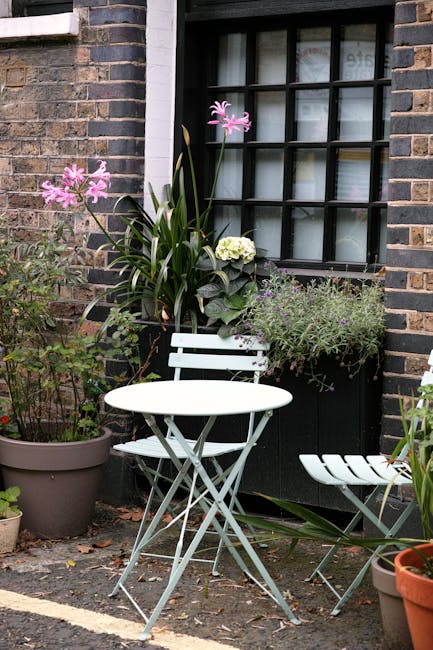
In a dense part of central London like Carnaby Street and the wider Soho W1 area, garden care is rarely about sweeping lawns and big borders. More often, it's about keeping compact outdoor areas neat, healthy, and usable. A small terrace, a roof planter, a courtyard, or even a handful of containers can make a real difference to how a property feels.
Affordability matters here because many local spaces need regular, light-touch maintenance rather than full-scale landscaping. You may only need seasonal pruning, weed control, planting refreshes, or help keeping things tidy after a busy spell. If you pay for the wrong level of service, you either overspend or end up with a garden that slowly slides backwards. Neither is ideal.
There's also a practical local angle. Central London properties often have limited access, timed entry, shared courtyards, and neighbours close by. That means the right gardener is not just someone with shears and a van; it's someone who understands how to work neatly, efficiently, and with as little disruption as possible. A little bit of local know-how saves time. And time, as everyone in Soho knows, is never in unlimited supply.
For many residents, landlords, and business owners, the goal is simple: keep outdoor areas presentable without paying premium rates for unnecessary extras. If that sounds familiar, the real question is not "Can I find a gardener?" It's "How do I find the right one at a fair price?"
How Affordable gardeners near Carnaby Street Soho W1 Works
Affordable garden services in this part of London usually work on a task-based or visit-based model. That means you pay for the work you actually need, rather than a bundled package full of services you won't use. It sounds obvious, but many people forget to ask what's included, and that's where costs drift.
A typical process starts with a short conversation about the space, the access, the current condition, and what you want done. A good provider will ask practical questions: Is the garden on the ground floor? Is there lift access? Are there bins on site for green waste? Are there any plants you want protected? Those details matter more than people think. A quick job on paper can become a fiddly one in real life.
After that, the gardener may offer a quote based on the size of the area, frequency of visits, and the level of labour involved. In central locations, pricing can also reflect travel, parking constraints, and the time needed just to move tools and waste in and out. That's not a trick; it's simply part of the job. If a quote seems unusually low, it may be missing something important.
To get a clearer picture of service scope, it helps to look at a provider's services overview and their pricing and quotes approach. That gives you a more grounded sense of what's covered and how estimates are built.
In practice, affordable gardening is usually about matching the service to the job: regular maintenance for smaller spaces, occasional tidy-ups for lower-traffic areas, and seasonal work where needed. Simple. But not simplistic.
Key Benefits and Practical Advantages
The most obvious benefit is cost control, but there's more to it than that. A well-chosen affordable gardener helps you keep a space attractive, safe, and easier to manage over time.
- Better presentation: clean edges, trimmed plants, and tidy containers make even tiny spaces feel more intentional.
- Less long-term work: regular maintenance prevents weeds, overgrowth, and plant stress from building up.
- More usable outdoor space: when a courtyard or terrace is clear and well-kept, you're far more likely to use it.
- Flexible spend: you can choose one-off visits, seasonal work, or routine visits depending on the site.
- Safer surroundings: clutter, slippery debris, and overgrown areas are easier to manage when someone keeps an eye on them.
There's also a less obvious advantage: peace of mind. A regular, reasonably priced gardener reduces the "I'll deal with it next week" cycle that so many busy people get stuck in. You know the one. The ivy creeps. The dead leaves gather. Then suddenly the space looks a bit forgotten, which is never a great feeling when clients, guests, or tenants are around.
Another benefit is consistency. Good local gardeners often notice patterns: which corner gets too much shade, which pot dries out first, where moss tends to appear after damp weather. That kind of practical memory is worth money because it stops small issues becoming bigger jobs.
Who This Is For and When It Makes Sense
Affordable garden maintenance near Carnaby Street Soho W1 makes sense for a surprisingly wide range of people. The setting may be urban, but the need for plant care is very real.
- Flat owners with balconies, roof terraces, or small planted areas.
- Landlords and managing agents who need communal outdoor spaces to stay presentable.
- Small businesses with entrance planters, courtyards, or decorative frontage planting.
- Busy residents who want an outdoor area kept tidy but don't have the time for regular upkeep.
- Hospitality venues looking to keep exterior planting looking fresh and well cared for.
It also makes sense when your garden or planted area is not big enough to justify a full landscaping project. If all you need is pruning, weeding, seasonal planting, and a bit of structure, a flexible gardener is usually the smarter choice.
Ask yourself: is the space struggling because it needs more design, or just more routine care? That's the decision point. If the answer is routine care, you're in the right territory.
Step-by-Step Guidance
If you want good value without fuss, use a simple process. It keeps things clear and helps you compare like with like.
- Define the actual job. Write down what you need: trimming, weeding, planting, waste removal, tidy-up, or ongoing maintenance. Be specific. "Sort the garden" is too vague and usually leads to vague pricing.
- Note the access details. Mention stairs, shared entrances, loading restrictions, parking issues, and whether tools need to be carried through the property.
- Share photos if possible. A few current images can save time and reduce guesswork. In a compact Soho space, a photo often tells the story faster than a long explanation.
- Ask what is included. Does the quote cover green waste removal? Basic disposal? Plant supply? Follow-up visits? Ask before agreeing.
- Compare more than price. Look at response speed, clarity, experience with similar spaces, and whether the gardener seems practical and organised.
- Confirm the schedule. If the work is time-sensitive, agree on dates early. Seasonal tasks can fill up quickly, especially when weather turns and everyone suddenly remembers the garden.
- Review after the first visit. A first appointment is useful for checking fit. Were they neat? Did they leave the site tidy? Did the work match the quote?
That final review matters. Not in a dramatic way, just as a normal bit of common sense. If the first visit goes well, you've probably found a keeper. If not, better to know early.
Expert Tips for Better Results
Here's where the value really starts to show. Small choices make a big difference, especially in compact urban gardens.
1. Keep the brief tight but not tiny
Give enough detail to guide the work, but don't overload the conversation with every thought that crosses your mind. A short list of priorities is usually best: what must be done now, what can wait, and what should never be touched.
2. Think in cycles, not one-off panic
Affordable garden care often works better when you plan two or three visits across a season instead of waiting until everything is overgrown. It's usually easier to keep a space in shape than to rescue it from scratch. Much easier, actually.
3. Make disposal part of the conversation
In central London, waste handling can affect both convenience and cost. If you want cuttings removed, say so clearly. If you have your own disposal arrangement, say that too. It avoids awkwardness later.
4. Choose the right level of planting ambition
It is tempting to ask for colourful, high-maintenance planting because it looks good in the moment. But if the site is shaded, windy, or only lightly watered, simpler planting often performs better and costs less over time.
5. Ask about materials before committing
If new compost, soil, mulch, pots, or plants are needed, ask who supplies them and how that affects the final bill. Nothing wrong with extra materials, of course. But surprises are rarely fun when they arrive on the invoice.
If you want a provider that is transparent about process, reliability, and site care, pages like about us and insurance and safety can help you judge whether their standards align with yours.
Common Mistakes to Avoid
People often think the cheapest quote is the safest way to save money. That's not always true. A quote can be low because it excludes key tasks, assumes easy access, or simply doesn't account for the real workload.
- Being too vague: vague requests lead to vague outcomes and often vague pricing too.
- Ignoring access constraints: central London access can change everything from timing to labour.
- Skipping the waste question: if clippings and debris aren't discussed, you may end up with extra hassle.
- Choosing only on price: the cheapest option can become the most expensive if the work needs doing twice.
- Overplanting for the conditions: not every site needs a jungle. Sometimes neat and resilient is the smarter play.
- Not asking about maintenance frequency: a one-off tidy-up is not the same as a maintenance plan.
A particularly common mistake is expecting a small space to be treated like a suburban garden. It sounds obvious, but in practice people do it all the time. Urban spaces need different judgement: less waste, more precision, and a lot more care around access and finish.
Tools, Resources and Recommendations
You do not need a shed full of gear to benefit from good garden maintenance, but it helps to understand the basics. That makes conversations with a gardener much easier.
- Hand tools: secateurs, loppers, spades, forks, trowels, and edging tools for tidy finishes.
- Plant care items: suitable compost, mulch, feed, and watering equipment where needed.
- Waste handling: bags, bins, or agreed removal arrangements for clippings and dead material.
- Site notes: a simple list of plant names, problem spots, and anything to avoid cutting back.
For customers comparing providers, the most helpful resources on the site are often the ones that explain process rather than just sell services. The services overview, pricing and quotes, and contact us pages can help you move from browsing to a proper enquiry without guesswork.
If you care about environmentally sensible handling of waste and materials, it is also worth reading the recycling and sustainability information. Even for a small courtyard, recycled green waste practices can be a neat way to reduce unnecessary disposal.
Law, Compliance, Standards, or Best Practice
Garden maintenance is not usually a heavily regulated service in the way some trades are, but that does not mean standards do not matter. In a busy central London setting, best practice is a big deal.
At a minimum, you should expect clear communication, sensible site conduct, care with tools, and respect for surrounding property. If a gardener is working in shared spaces, they should be careful about trip hazards, noise, debris, and clean-up. That's basic professionalism, not a luxury.
Insurance is another practical consideration. If work is being carried out at height, near glazing, in shared access areas, or with tools that could cause damage, it is reasonable to ask whether the business has appropriate cover. A good provider should be willing to discuss this openly. You can also review the company's health and safety policy for more detail on how they approach site safety.
Payment clarity also matters. You should know how quotes are structured, what happens if the scope changes, and what the expected payment process looks like. The payment and security page is useful for understanding those expectations in plain English.
And if anything ever goes wrong, a professional business should have a straightforward route for feedback or complaints. That's not dramatic. It's just a sign of a service that takes accountability seriously. A clear complaints procedure is a good thing to see, even if you never need it.
Options, Methods, or Comparison Table
Different garden-care approaches suit different situations. Here's a simple comparison to help you think it through.
| Option | Best for | Typical strengths | Watch out for |
|---|---|---|---|
| One-off tidy-up | Overgrown or neglected small spaces | Fast visible improvement, flexible booking | Can be more expensive than planned upkeep if repeated often |
| Regular maintenance visits | Courtyards, terraces, and planted entrances | Predictable, keeps the space under control | Needs a consistent schedule |
| Seasonal work | Spaces that need periodic pruning or planting refreshes | Good balance of cost and care | May not be enough for fast-growing planting |
| Planned planting support | Containers, planters, and decorative frontage areas | Improves appearance and plant health | Plant selection must suit light, wind, and watering conditions |
For most people in and around Carnaby Street, regular maintenance or seasonal support is the sweet spot. It keeps costs sensible and avoids the spike that comes with rescue jobs. Not always, but often.
Case Study or Real-World Example
Imagine a small first-floor terrace near Carnaby Street. It has three planters, one awkward corner that never gets enough sun, and a lot of leaf drop from surrounding buildings. The owner wants the space to feel calm and presentable, not highly styled, just tidy and alive.
At first, the owner asks for "a full garden clean-up." That's the kind of phrase that can mean almost anything. After a short walk-through, the job becomes clearer: remove dead growth, shape back a few plants, refresh the planting in two containers, clear debris, and set up a low-maintenance routine for the rest of the season.
That change matters. The quote becomes more accurate, the work is quicker, and the result is better because the brief matches the space. Instead of overdoing it with expensive plants that would struggle in shade, the gardener recommends hardier options and simpler care. The terrace ends up looking cleaner, greener, and easier to maintain. Nothing flashy. Just right.
That is usually how affordable garden work succeeds in Soho: not by doing more, but by doing the right things in the right order.
Practical Checklist
Use this checklist before booking a gardener near Carnaby Street Soho W1:
- List the exact tasks you want completed.
- Note access details, building entry rules, and any parking or loading limits.
- Take a few photos of the space in its current condition.
- Ask whether waste removal is included.
- Confirm whether plants or materials are supplied separately.
- Check whether the work is one-off, seasonal, or ongoing.
- Ask how pricing changes if the job grows during the visit.
- Review safety, insurance, and general service expectations.
- Decide what "good enough" looks like for your space.
- Book the first visit, then assess the finish and communication.
Expert summary: the best value usually comes from clear scope, realistic expectations, and a gardener who understands compact London spaces. Cheapest is not always cheapest, and that little difference shows up fast in the final result.
Conclusion
Finding affordable gardeners near Carnaby Street Soho W1 is less about hunting for the lowest number and more about choosing the right balance of price, efficiency, and local awareness. In a busy central area, small gardens and planted spaces need practical care, tidy work, and honest communication. Get those three things right, and even a modest outdoor area can feel surprisingly good.
Whether you need a one-off tidy-up, help with seasonal planting, or regular maintenance for a small courtyard or terrace, the smartest next step is to define the work clearly and compare providers on value rather than headline price alone. A careful quote now usually saves trouble later. That's the truth of it.
If you want to understand the wider service offer, you can also review the services overview, learn more about the company, or use the contact page to start a straightforward conversation about your space.
Get a free quote today and see how much you can save.
Small spaces deserve proper care. When the planting is tidy, the access is considered, and the work feels well judged, the whole place lifts a bit. Quietly, but noticeably.
Frequently Asked Questions
How much do affordable gardeners near Carnaby Street Soho W1 usually cost?
Costs vary depending on the size of the space, how easy it is to access, the type of work needed, and whether waste removal or materials are included. In central London, access can influence pricing as much as the gardening itself. The best approach is to ask for a clear written quote that explains what is and is not included.
What jobs can a local gardener handle in a small Soho property?
Common jobs include pruning, weeding, planting, container care, hedge and shrub shaping, seasonal tidy-ups, and ongoing maintenance. For compact properties, the emphasis is often on presentation and practicality rather than large-scale landscaping.
Is a one-off garden tidy-up better than regular maintenance?
It depends on the space. If the garden is only lightly used or changes slowly, one-off visits may be enough. If plants grow quickly or the area needs to look presentable all the time, regular maintenance usually gives better value.
How do I know if a quote is good value?
Look beyond the headline price. Check what tasks are included, whether waste is removed, how access is handled, and whether there are any extra charges for materials or awkward conditions. A slightly higher quote can be better value if it is more complete and more reliable.
Do affordable gardeners bring their own tools?
Most professional gardeners do bring their own tools, but it is sensible to confirm. For some jobs, you may also need to provide site access to water or on-site storage, depending on the setup.
Can a gardener help with planters and balcony spaces?
Yes, provided the space is accessible and the work is within their normal service scope. Balcony and planter care is often a strong fit for urban gardening because the tasks are usually maintenance-led and relatively compact.
What should I ask before booking garden work in central London?
Ask about scope, timing, access, waste disposal, materials, payment terms, and insurance. If the property has shared access or special instructions, mention them early. It saves awkwardness later and usually improves the quote accuracy.
How often should a small garden near Carnaby Street be maintained?
That depends on planting type, sun exposure, and how visible the space is. Some compact areas only need seasonal care, while others benefit from monthly or bi-monthly visits. A good gardener should help you choose a sensible rhythm rather than overselling frequent work.
What if I only need help for one season?
That is perfectly normal. Many customers want extra support in spring, summer, or after a period of neglect, then reduce visits later. One-off or seasonal work can be a very practical way to manage cost.
Are there safety issues I should think about?
Yes, especially in shared or tight-access properties. Tools, debris, trip hazards, and moving through communal spaces all need care. It is reasonable to ask about safety procedures and insurance before anyone starts work.
Can I get a quote without a site visit?
Often, yes. Photos and a clear description can be enough for an initial estimate. That said, a site visit or a more detailed follow-up may be needed if access is awkward or the work is more complex than it first appears.
Where can I check service details and next steps?
The most useful starting points are the services overview, pricing and quotes, and contact us pages. They help you understand the service structure and make a proper enquiry.